Common mistakes
Why Is the First Pancake Always Bad? It's the Fat, Not Luck
By Fede6 min readUpdated
In short
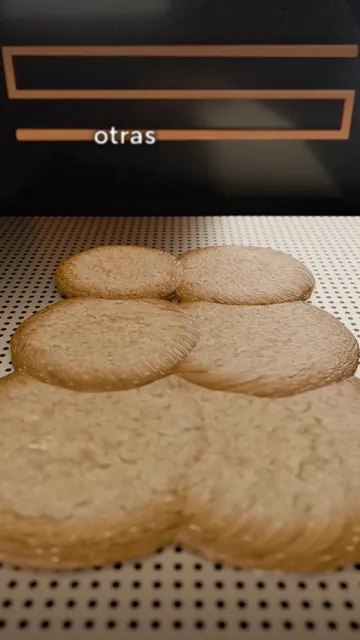
The first pancake comes out splotchy because fresh fat in a hot pan beads into droplets and leaves patches of bare metal: where the batter touches them, it cooks faster and darkens. The first pancake soaks up much of that fat, which is why the second one browns evenly. To get the first one right: fat in a cold pan, one minute over medium heat, then a paper towel until it's barely visible.
It happens in every kitchen: the first pancake comes out covered in dark splotches, like a toasted Dalmatian. Someone grabs it by hand, eats it standing up, and says the classic line: “the first one is just a test.” It's so accepted that even Cook's Illustrated writes its crêpe recipe to make 10 when the filling only covers 8, so you have two to practice on.
But it's not bad luck, and it's not your technique. It's the fat. And you can fix it in one minute.
Why does the first pancake come out splotchy?
When you put butter or oil in the pan and heat it, the fat doesn't stay in an even layer. Surface tension, the force that makes a liquid pull in on itself, gathers it into little droplets. Between them you get small patches of bare metal.
When the batter goes in, those patches take over. Wherever the batter touches bare metal, it cooks faster than where it sits on fat. Pancake browning is the Maillard reaction: proteins and sugars in the batter react with each other above roughly 121 °C (250 °F) and take on color. Where the batter cooks faster, it browns sooner. So the splotches are an exact map of the bare spots underneath.
So why is the second pancake perfect?
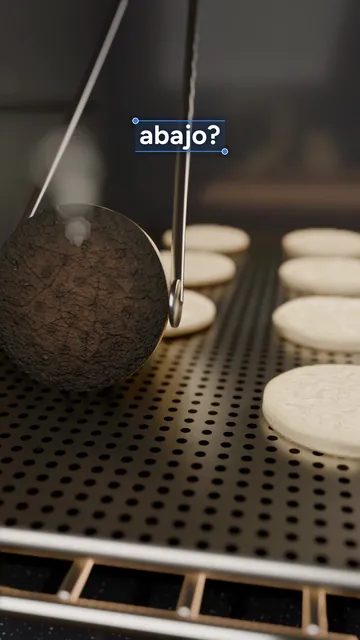
Because the first one soaked up much of the fat. The droplets cling to the batter, and what's left in the pan is a thin, even film: exactly what you needed from the start.
In other words, your first pancake wasn't a test. It was a napkin. It wiped the pan so the second one would come out right. A paper towel can do that job, and your first pancake gets to be a real one.
Turning down the heat or adding butter won't fix it
The first thing most people do is lower the heat. But in a lukewarm pan the pancake turns out pale, bland, and so flimsy it tears when you flip it. Go the other way, with the pan too hot, and the batter sets before it finishes coating the bottom, so it comes out uneven.
Adding more butter doesn't help either. According to Cook's Illustrated's testing, too much fat is exactly what causes the splotches. The amount that works is the opposite: almost none.
How to make the first pancake come out right
This is what Cook's Illustrated recommends, and it's the same thing I do with a paper towel when I make my pancakes:
- Put the fat in the pan while it's still cold.
- Heat it over medium for at least one minute.
- Wipe out the excess with a paper towel until you can barely see it. You want a thin film, just a little shiny.
- Make a mini test pancake with a small spoonful of batter. If it's golden underneath after 20 seconds, the pan is ready. If it comes out pale or dark, adjust the heat and test again.
- Pour in the batter and leave it alone until the edges look golden. That's when you flip it.
I add a little butter for every pancake, or every other one, and always spread it well. In Cook's crêpe recipe, they also put the pan back on the heat for 10 seconds before each one so it can recover its heat.
Notice that step 4 is the famous “test pancake,” just the size of a coin. If something has to be sacrificed, let it be that.
Thin, crêpe-style pancakes need an even pan
Thin, crêpe-style pancakes cook in seconds: in Cook's recipe, about 25 seconds on the first side and 20 on the second. With so little time, any spot that runs hotter or cooler shows right away.
That's why they heat the pan with the oil over low heat for at least 10 minutes, wipe it with a paper towel, and only then turn it up to medium for a minute. It sounds like a lot, but they say heating the pan properly was essential to the whole recipe.
If the pan starts to smoke at any point, take it off the heat right away and turn the burner down. And if the fat ever catches fire, never throw water on it.
Butter or oil for pancakes?
Cook's tests were done with oil. I use butter, because without it pancakes have less flavor and less color, and the idea is the same: under the international Codex Alimentarius standard, butter is at least 80% fat. The rest is water (up to 16%) and milk solids (up to 2%).
Those solids are what make the difference: they burn before the fat does and turn bitter. According to America's Test Kitchen, regular butter starts to smoke at 121 to 149 °C (250 to 300 °F), while clarified butter, which is the same butter without the water and milk solids, holds out until 177 to 191 °C (350 to 375 °F).
So with butter: use a little, keep the heat at medium, and keep an eye on it. And if you love the flavor but it keeps burning on you, try clarified butter.
Common pancake mistakes and how to fix them
| What you see | Why it happens | What to do |
|---|---|---|
| Dark, scattered splotches | Fat droplets and bare metal | Wipe until the fat is barely visible |
| Pale, tears when flipped | Lukewarm pan | Medium heat and the 20-second test |
| Batter won't cover the bottom | Pan too hot | Turn it down a bit and test again |
| Dark butter, bitter taste | Burned milk solids | Less butter, or clarified butter |
The short rule for next time: fat in a cold pan, one minute over medium heat, paper towel until you can barely see it. Your first pancake isn't a test anymore. It's just the first one.
Frequently asked questions
Do you need butter for every pancake?
Just a little: a thin film is enough. I add a bit for every pancake, or every other one, and always spread it with a paper towel so there are no puddles.
What heat should you cook pancakes on?
Medium. On low heat they come out pale and tear when you flip them; on high heat the batter sets before it spreads. Test with a small spoonful of batter: after 20 seconds it should be golden underneath.
Why do pancakes stick to the pan?
It can be too little fat or too little heat. A thin, barely visible film is enough to keep them from sticking, and in a lukewarm pan the pancake stays so flimsy it tears when you try to loosen it.
How long do you cook each pancake?
It depends on how thick it is. Thin crêpe-style ones take about 25 seconds on the first side and 20 on the second; thicker ones cook until the edges look golden, then one or two minutes after flipping.
Can you make pancakes in a nonstick pan?
Yes. Cook's Illustrated makes its crêpes in a 30 cm (12 in) nonstick skillet, and even there it leaves only a thin film of oil.
Related recipes
Sources
The facts in this post come from these sources (checked when it was written).
- Want Evenly Brown, Picture-Perfect Pancakes? Skimp on the Oil. — Cook's Illustrated (America's Test Kitchen)
- Crêpes with Sugar and Lemon — Cook's Illustrated (America's Test Kitchen) (2012)
- What Is the Maillard Reaction and Why Should You Care? — America's Test Kitchen (Paul Adams) (2023)
- Codex Standard for Butter (CODEX STAN A-1-1971, Rev. 1-1999, Amended 2003) — Codex Alimentarius (FAO/OMS), en Alimentos Argentinos (2003)
- How to Make Clarified Butter — America's Test Kitchen