Fede Cocina

The Fede Cocina blog

Why things happen in the kitchen, explained simply: every reel I post, with more detail, facts and sources.

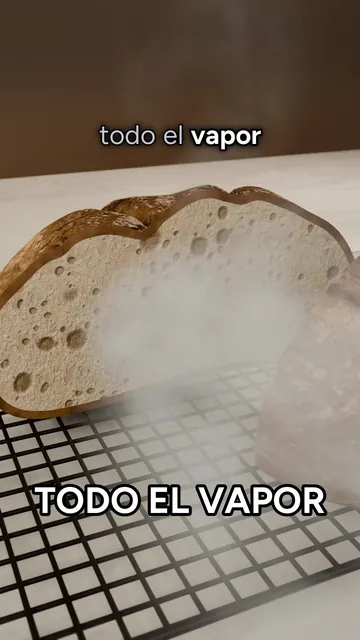
A steaming 3D loaf of bread fresh out of the oven, with a knife coming toward it
Common mistakes

Why You Shouldn't Cut Bread Right Out of the Oven

Why freshly baked bread turns gummy if you slice it hot, how long to let it cool, why it should cool on a wire rack, and how to store it afterward.

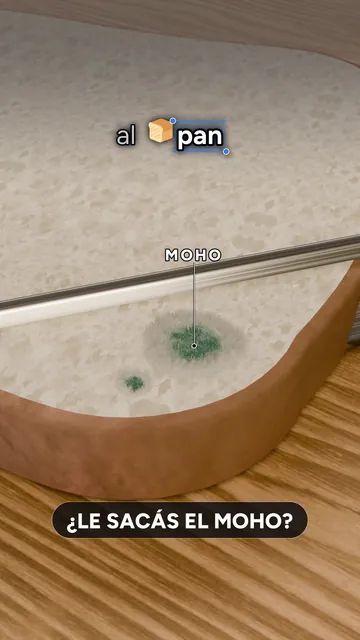
Close-up of 3D sliced bread with a small green mold spot and a knife cutting it
Food safety

Can You Eat Moldy Bread If You Cut Off the Green Part?

Why cutting the spot off moldy bread isn't enough, what mold threads and mold toxins are, why hard cheese is different, and how to keep bread from molding.

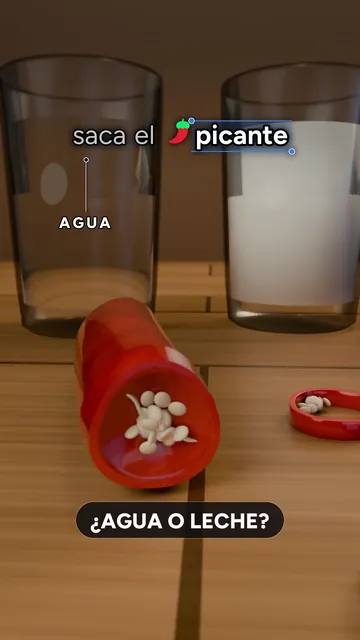
A 3D chile pepper up close, with a glass of water and a glass of milk beside it
Kitchen science

Why Water Doesn't Help With Spicy Food (and Milk Does)

Why water barely helps with spicy food and milk does, what a study of seven drinks found, why it isn't the fat, and what makes the burn even worse.

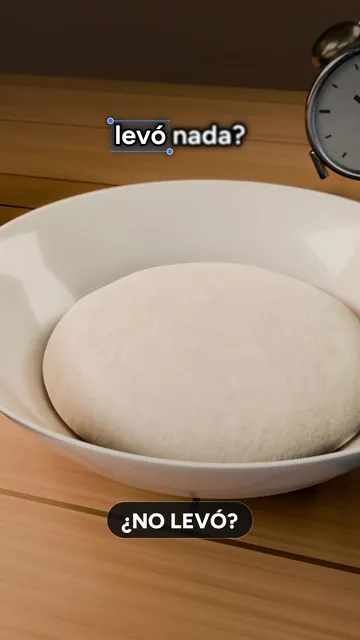
A covered bowl of 3D bread dough, sitting still and not rising
Common mistakes

Why Didn't My Bread Rise? Causes and How to Test Your Yeast

Why bread doesn't rise: water that's too hot, old or badly stored yeast, or a cold kitchen. How to test whether your yeast is alive, and what salt really does.

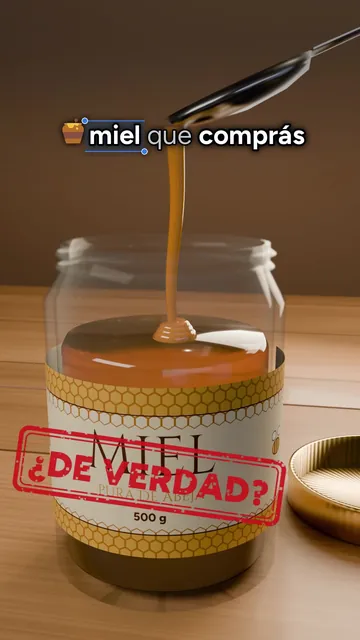
Close-up of a 3D honey jar with the Spanish question on screen
Tips

How to Tell If Honey Is Real (and Why Home Tests Don't Work)

Why the water test and other home tricks can't tell you if honey is pure, why honey gets cut with syrups, and what to look for when you buy it.

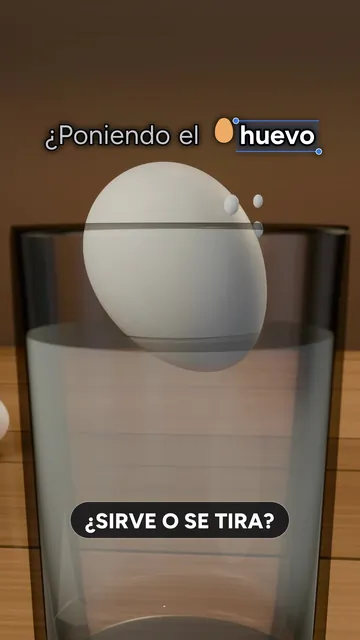
A 3D egg dropping into a glass of water, close up
Food safety

Does a Floating Egg Mean It's Bad? What the Water Test Really Shows

What the egg-in-a-glass-of-water test really tells you, why old eggs float, why a sinking egg isn't a guarantee, and how to tell if an egg has gone bad.

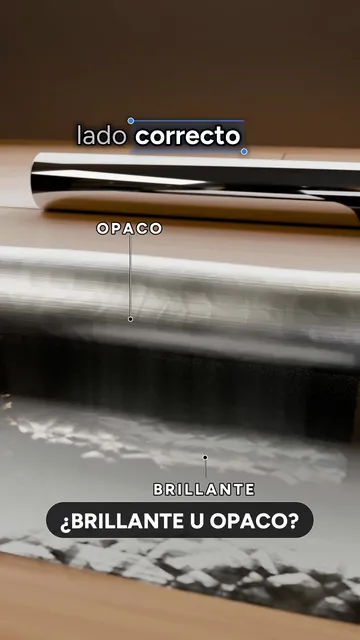
Two 3D rolls of aluminum foil, one showing the shiny side and the other the dull side
Kitchen science

Shiny or Dull Side of Aluminum Foil: Does It Matter?

Which side of aluminum foil to use: why it has a shiny side and a dull side, what oven tests showed, and the one exception where the side really matters.

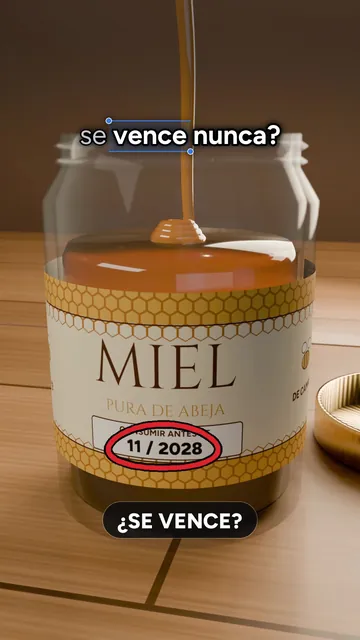
Close-up of a dripping 3D honey jar
Storage

Does Honey Expire? Why It Lasts So Long and What Ruins It

Whether honey expires, why it lasts so many years, what the date on the jar means, why it turns solid, and the one thing that can really ruin it.

A 3D pot of golden caramel with a thermometer reading between 165 and 185 °C
Kitchen science

What Happens to Sugar When It Turns Into Caramel?

Sugar doesn't melt: it breaks down. What happens in the pan when you make caramel, where the color and buttery flavor come from, and why it burns so easily.

A 3D bowl of dough overflowing with salt, with salt pouring from the jar
Kitchen science

Why Do Sweet Recipes Call for a Pinch of Salt?

Why brownies, cookies, and caramel call for a pinch of salt: salt cuts bitterness far more than sweetness, so you taste more flavor without adding sugar.

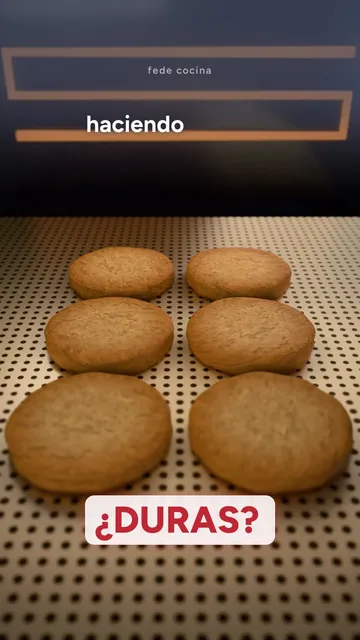
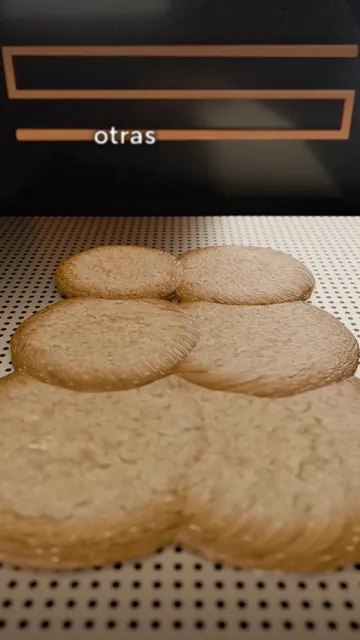
Six 3D cookies on a perforated baking sheet with the Spanish caption “¿Duras?” (hard?)
Common mistakes

Why Are My Cookies Hard? The Causes and How to Soften Them

Why cookies come out hard: overbaking, too much flour, or poor storage. How to tell which one is your case and how to soften cookies that already went hard.

Close-up of a 3D chocolate bar covered in white spots and gray streaks
Storage

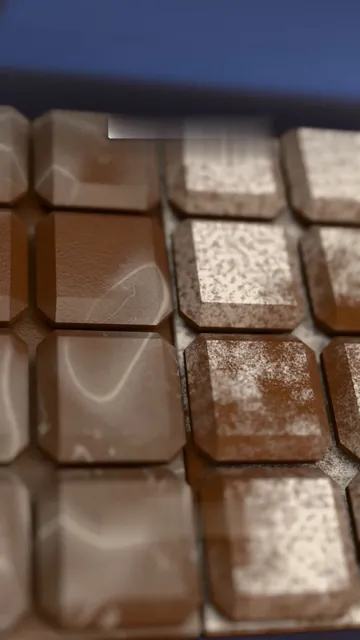
White Spots on Chocolate: Is It Mold, and Is It Safe to Eat?

What the white or gray spots on chocolate are, how to tell fat bloom from sugar bloom, if it's safe to eat, and how to store chocolate so it doesn't happen.

A baking sheet with six alfajor cookies on the bottom rack of a 3D gas oven, with the blue flame below
Common mistakes

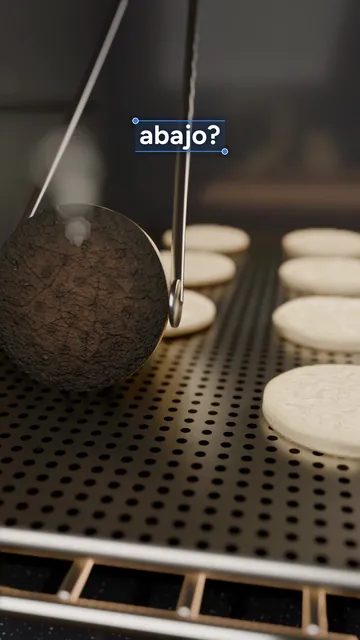
Why Are My Cookies Burnt on the Bottom but Pale on Top?

Why alfajor cookies and other cookies burn on the bottom in a gas oven, which fixes don't work, and how to get them pale and evenly baked on both sides.

A 3D sponge cake cut in half inside the oven, showing the crumb and the crust
Tips

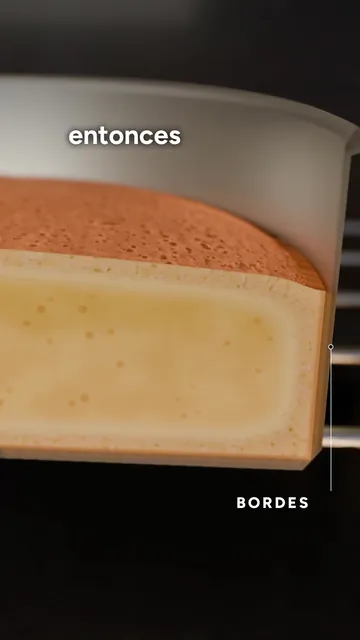
Why Does My Cake Dome in the Middle? How to Bake It Flat

Why your cake domes in the middle even when the recipe is right, what makes it worse, and the wet strip trick that helps it bake flat and even.

3D cartoon of Fede in an apron looking at a dark cookie on the counter, with the Spanish caption “¿Duras?” (hard?)
Tips

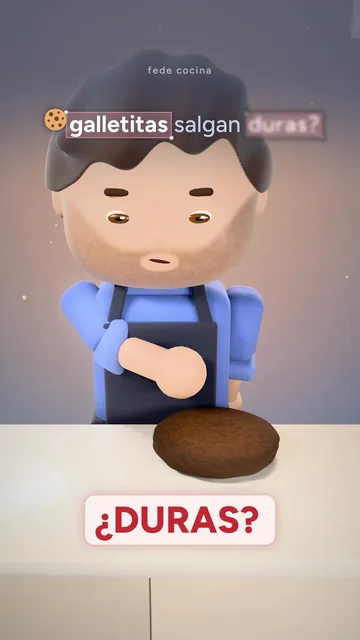
When Should You Take Cookies Out of the Oven So They Stay Soft?

Take cookies out while the center still looks underdone: they finish baking on the sheet. The signs to watch, the 5-minute rest, and the test cookie.

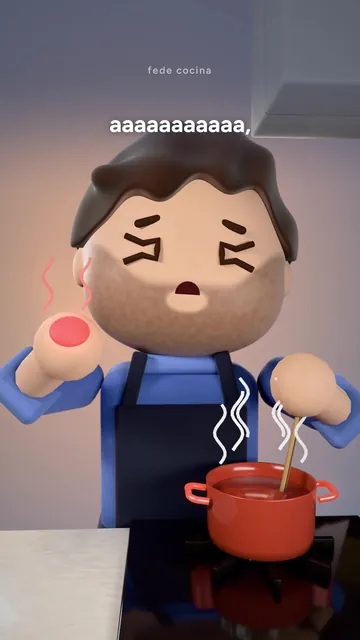
3D cartoon of Fede in an apron wincing in pain with a burned finger next to a steaming red pot
Food safety

Burned Yourself Cooking? What to Do Right Away, and What Not To

What to do if you burn yourself cooking: cool running water for 20 minutes, remove rings, then plastic wrap. Why no ice, butter, or toothpaste.

3D slice of bread full of small holes with the Spanish title “Tu tostada es un cementerio” (your toast is a graveyard)
Kitchen science

Is Bread Yeast Alive? What Happens to It in the Oven

Yeast is a living fungus: it eats sugar, makes the gas behind the holes in bread, and dies in the oven at 55 to 60 °C (131 to 140 °F). How many die per slice.

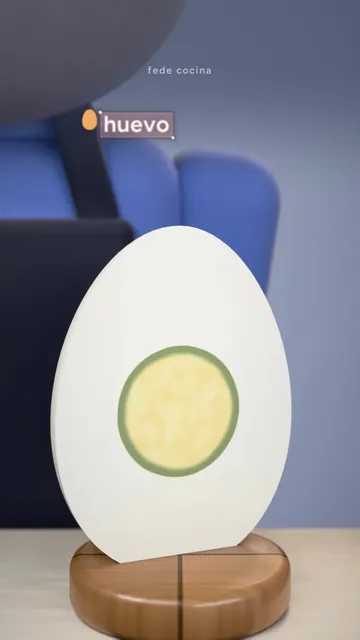
Giant 3D hard-boiled egg cut in half with a green ring around the yolk
Common mistakes

Why Does a Hard-Boiled Egg Get a Green Ring? Is It Safe?

The green ring on a hard-boiled egg is sulfur from the white meeting iron from the yolk after overcooking. It's harmless. Avoid it with good timing and ice.

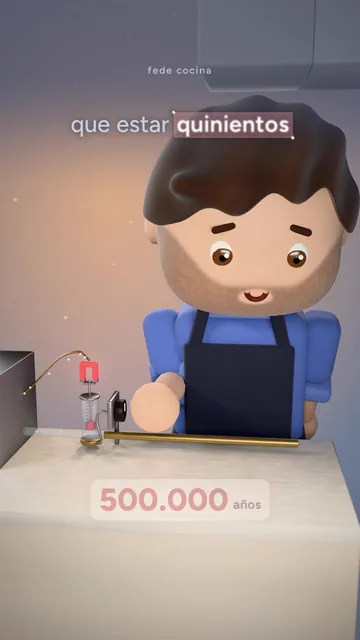
3D cartoon of Fede in an apron looking at a model of a gas oven safety valve on the counter, with a red magnet and a gas pipe
Kitchen science

Why Do You Have to Hold the Gas Oven Knob Down to Light It?

Why a gas oven goes out if you let go of the knob too soon: the thermocouple and the safety valve. How long to hold it, and what to do if it won't stay lit.

3D cookies that spread in the oven and fused together into one big cookie on the baking sheet
Common mistakes

Why Do My Cookies Spread and Melt Into One Big Cookie?

Why cookies spread in the oven and fuse together: butter that's too warm. Why adding flour doesn't fix it, and how long to chill the dough instead.
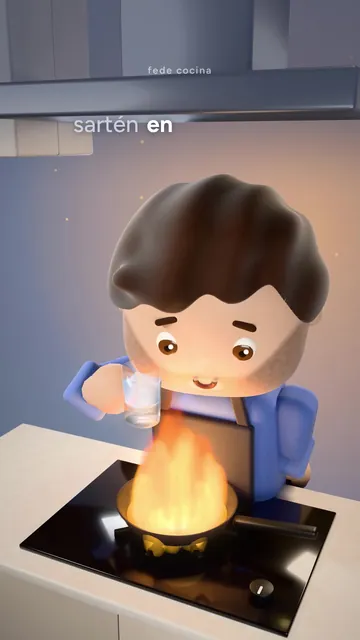
3D cartoon of Fede in an apron about to pour a glass of water on a frying pan with burning oil on the stove
Food safety

Why You Should Never Put Water on a Grease Fire

What happens when you throw water on burning oil, why the fire gets bigger, and how to put out a grease fire safely: a lid, the burner off, and the pan still.

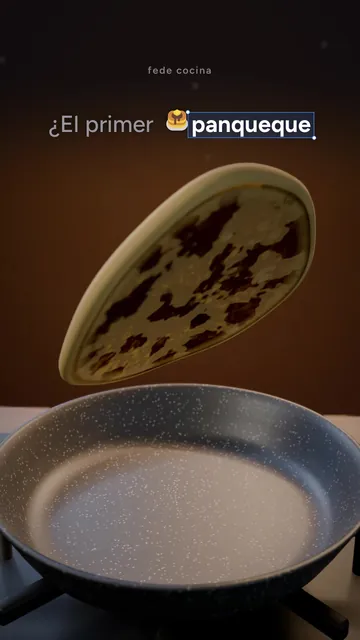
3D pancake with dark splotches flipping in the air above a speckled gray frying pan, with the Spanish caption “¿El primer panqueque”
Common mistakes

Why Is the First Pancake Always Bad? It's the Fat, Not Luck

Why the first pancake comes out splotchy and the second one perfect: fat droplets in the pan. How to fix it in one minute with medium heat and a paper towel.

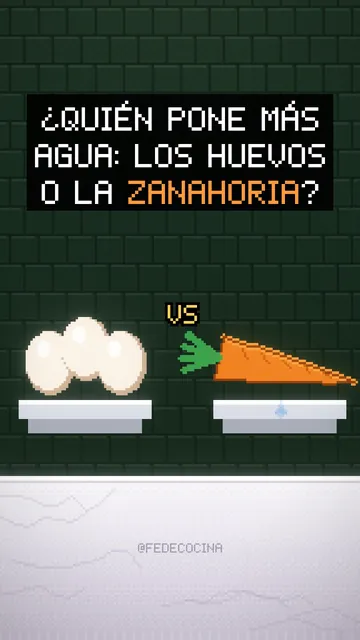
Pixel art illustration of three eggs facing a carrot, each on its own pedestal, with the Spanish title "¿Quién pone más agua: los huevos o la zanahoria?" (Which adds more water: the eggs or the carrot?).
Kitchen science

Why Is Carrot Cake So Moist? The Carrots, the Oil, and the Math

Why carrot cake is so moist: carrots are 88 % water, grating them breaks open their cells, and oil, with 0 % water, makes the crumb feel moister than butter.

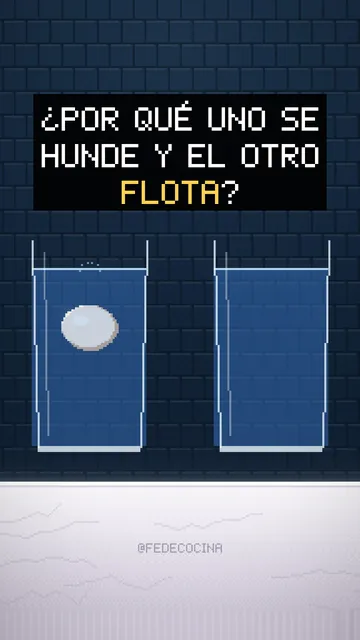
Pixel art illustration of two glasses of water, one with an egg sinking and the other with an egg floating, with the Spanish title "¿Por qué uno se hunde y el otro flota?" (Why does one sink and the other float?).
Kitchen science

Why Do Old Eggs Float? The Egg's Air Cell, Explained

Why old eggs float: where the air cell comes from, how it grows through the shell's pores, how long it takes, what the fridge does, and other signs of age.

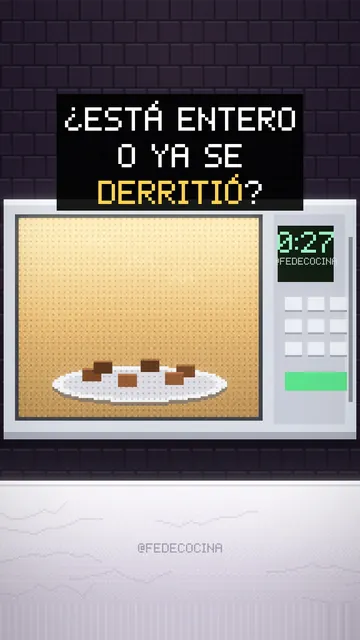
Pixel art illustration of a microwave with chocolate pieces on a plate and a timer at 0:27, with the Spanish title "¿Está entero o ya se derritió?" (Is it whole or already melted?).
Tips

How to Melt Chocolate in the Microwave Without Burning It

How to melt chocolate in the microwave without burning it: 20- to 30-second bursts and stirring, why it looks whole even when melted, and how a microwave heats.

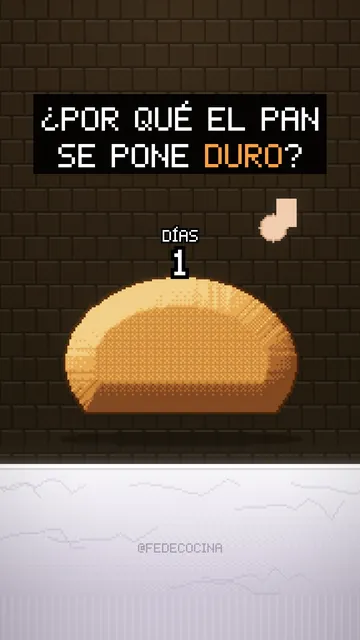
Pixel art illustration of a loaf of bread with a day counter showing 1, with the Spanish title "¿Por qué el pan se pone duro?" (Why does bread go stale?).
Storage

Why Does Bread Go Stale? And Why Potato Bread Stays Soft Longer

Stale bread isn't dry: its starch rearranges. Why the fridge makes bread stale twice as fast, why the freezer works, and why potato bread stays soft longer.

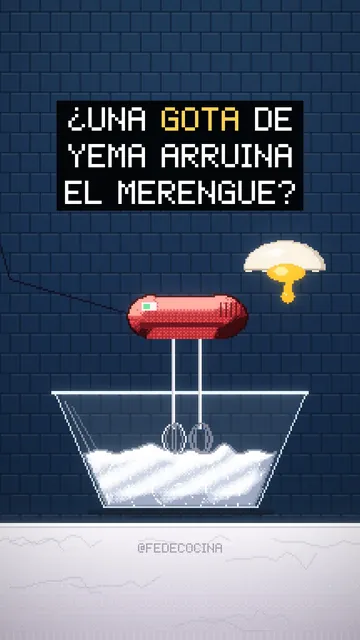
Pixel art illustration of a hand mixer over a bowl of egg whites as a drop of yolk falls in, with the Spanish title "¿Una gota de yema arruina el merengue?" (Does one drop of yolk ruin meringue?).
Kitchen science

Why Won't My Egg Whites Whip? One Drop of Yolk and Other Enemies

Why egg whites won't whip: one drop of yolk cuts the foam by 70 %. What fat does, why to separate each egg on its own, which bowl to use, and when to add sugar.

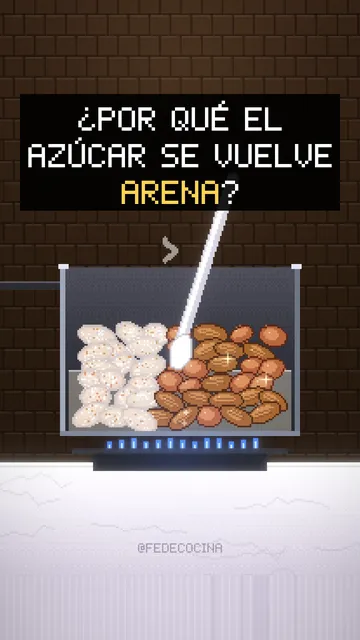
Pixel art illustration of a pot with peanuts and almonds being stirred with a spoon, with the Spanish title "¿Por qué el azúcar se vuelve arena?" (Why does sugar turn to sand?).
Kitchen science

Why Does Sugar Crystallize and Turn Sandy?

Why sugar syrup crystallizes and turns sandy: solubility, supersaturation, why stirring sets it off, and how that sand turns back into caramel over low heat.

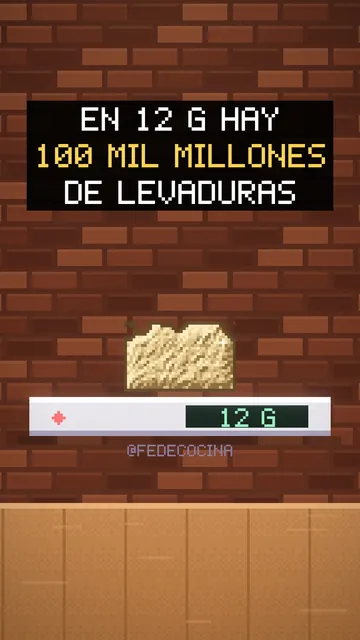
Pixel art illustration of a cube of fresh yeast on a scale reading 12 g, with the Spanish title "En 12 g hay 100 mil millones de levaduras" (12 g hold 100 billion yeast cells).
Kitchen science

How Long Should Bread Dough Rise? How to Tell When It's Ready

How long bread dough should rise, what yeast and gluten do, the poke test to tell when it's ready, and why the crumb stays soft.

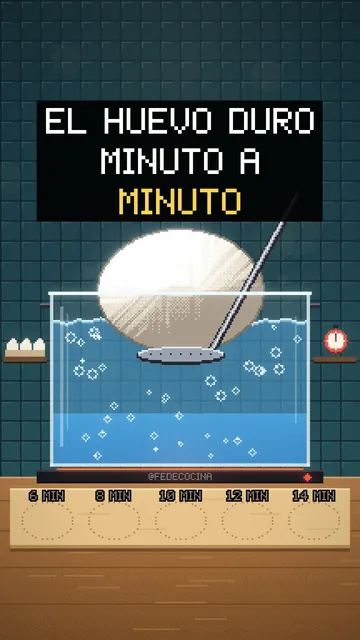
Pixel art illustration of an egg being lowered on a slotted spoon into a pot of boiling water, with the Spanish title "El huevo duro minuto a minuto" (Hard-boiled eggs minute by minute) and an empty chart from 6 to 14 minutes.
Kitchen science

Hard-Boiled Eggs Minute by Minute: What Happens Inside

What happens inside an egg as it boils: how the yolk looks at 6, 8, 10, 12 and 14 minutes, why the white sets first, and where the green ring comes from.
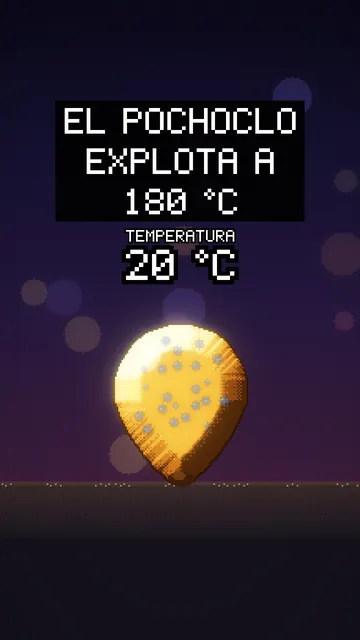
Pixel art illustration of a golden corn kernel heating up, with the Spanish title "El pochoclo explota a 180 °C" (Popcorn pops at 180 °C) and a thermometer reading 20 °C (68 °F).
Kitchen science

What Temperature Does Popcorn Pop At? The Pop in Slow Motion

What temperature popcorn pops at, how it jumps in 20 milliseconds, where the sound comes from, and when to take the pot off the heat, from a slow-motion study.

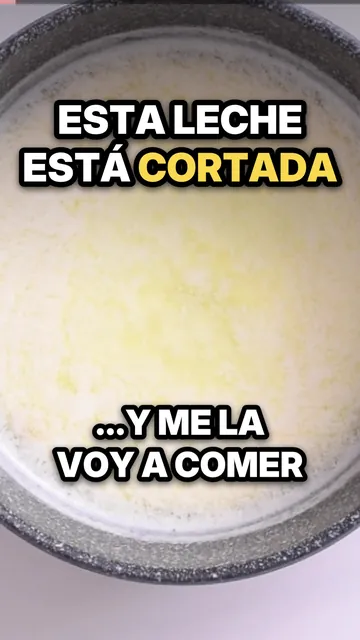
Milk curdled with lemon in a pot, with curds forming, and the Spanish text "Esta leche está cortada… y me la voy a comer" (This milk is curdled… and I'm going to eat it).
Food safety

Curdled Milk: Is It Safe to Eat? When It's Fine and When It's Not

Why lemon curdles milk, what curds and whey are, why you heat the milk first, and why milk that curdles on its own isn't safe. How to tell the two apart.

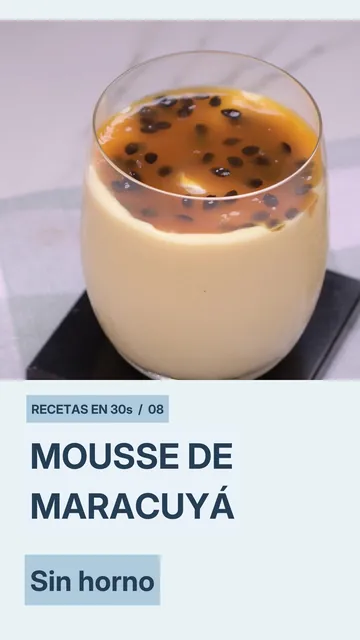
A glass of creamy passion fruit mousse topped with pulp and black seeds, with the Spanish title "Mousse de maracuyá sin horno" (No-bake passion fruit mousse).
Recipes

No-Bake Passion Fruit Mousse: The Secret Is in the Gelatin

No-bake passion fruit mousse: why the pulp thickens condensed milk, how to whip the cream, how to use gelatin without lumps, and when to add the pulp on top.

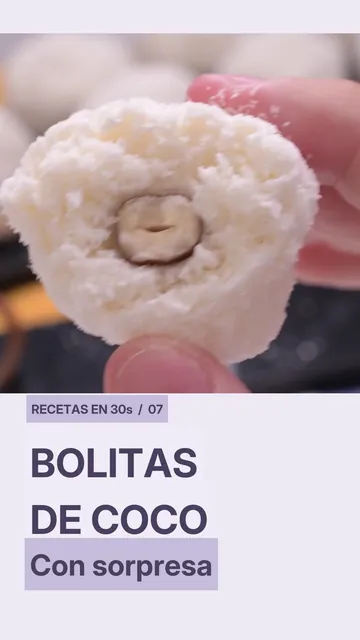
A hand holds a coconut ball broken open to show a whole hazelnut in the center, with the Spanish title "Bolitas de coco con sorpresa" (Coconut balls with a surprise).
Recipes

No-Bake Coconut Balls with Condensed Milk and a Hidden Hazelnut

How to make no-bake coconut balls with condensed milk: why they need no cooking, when the mixture is ready, the hidden center, and how to store them.

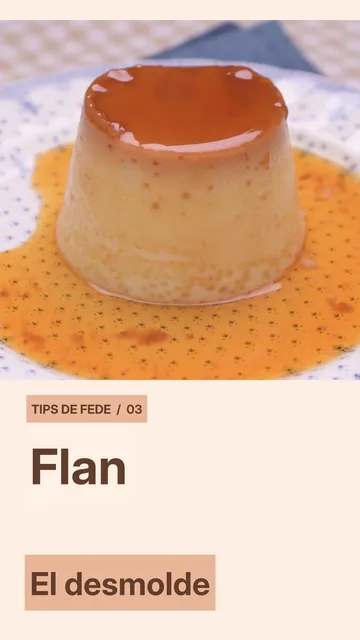
A homemade flan unmolded on a plate with runny caramel pooling around it, with the Spanish title "Flan: el desmolde" (Flan: unmolding).
Tips

How to Unmold Flan Without the Caramel Sticking

How to unmold flan without the caramel sticking: the boiling water trick, why caramel sticks, how to make the caramel, and why the water bath helps too.

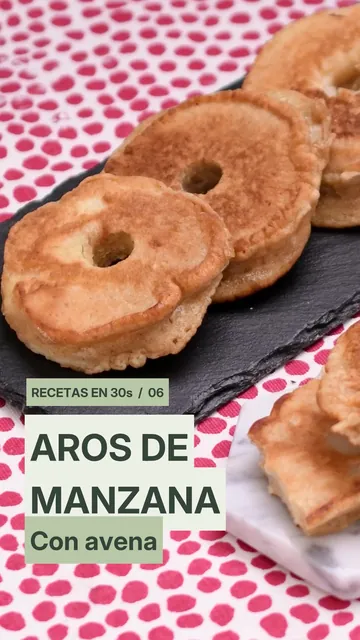
Golden apple rings with a hole in the center like donuts, stacked on a black slate board, with the Spanish title "Aros de manzana con avena" (Apple rings with oats).
Recipes

Oat Apple Rings in a Skillet: How to Get Them Golden

How to make oat apple rings in a skillet: cutting the rings, keeping the apple from browning, the right batter, and browning them without burning the butter.

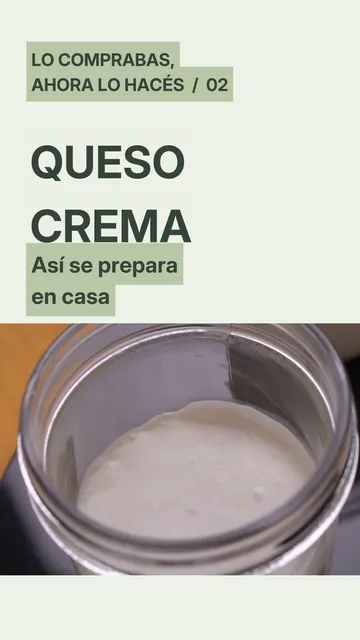
A glass jar of white, creamy homemade cream cheese, with the Spanish title "Queso crema: así se prepara en casa" (Cream cheese: how to make it at home).
Recipes

How to Make Homemade Cream Cheese with Milk and Lemon

How to make homemade cream cheese with milk and lemon: what it really is, how long it rests, draining, food processor vs. blender, and why it firms up cold.

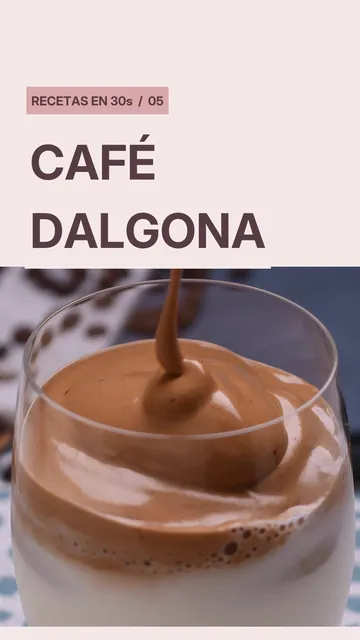
A spoon drops dalgona coffee cream onto a glass of milk, with the Spanish title "Café dalgona" (Dalgona coffee).
Recipes

Dalgona Coffee Too Stiff? How to Make It Light and Creamy

How to make creamy dalgona coffee: why instant coffee foams, why it gets lighter as you whip, why it turns stiff, and the simple water trick that fixes it.

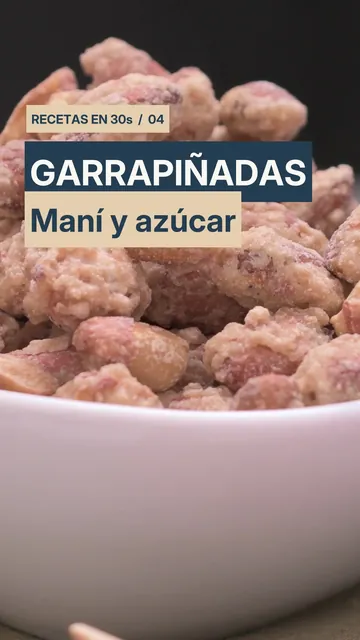
A white bowl full of peanut garrapiñadas coated in crystallized sugar, with the Spanish title "Garrapiñadas: maní y azúcar" (Garrapiñadas: peanuts and sugar).
Recipes

How to Make Garrapiñadas, Argentine Candied Peanuts, at Home

How to make garrapiñadas, candied peanuts and almonds: the unstirred syrup, the sandy coating, color over low heat, and how to keep them from burning.

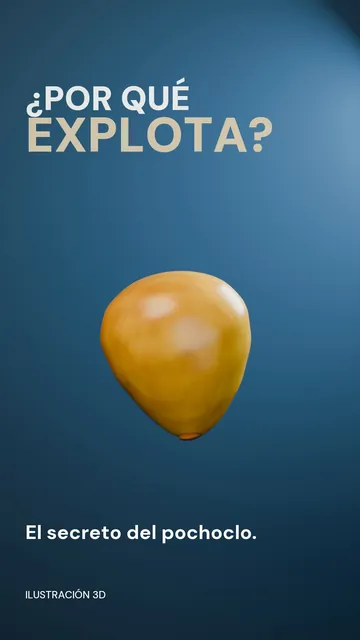
3D illustration of a golden corn kernel on a blue background, with the Spanish title "¿Por qué explota? El secreto del pochoclo" (Why does it pop? The secret of popcorn).
Kitchen science

Why Does Popcorn Pop? What Happens Inside the Kernel

Why popcorn pops: the water inside turns to steam, the hull holds the pressure, and the starch puffs up. Plus why some kernels never pop at all.

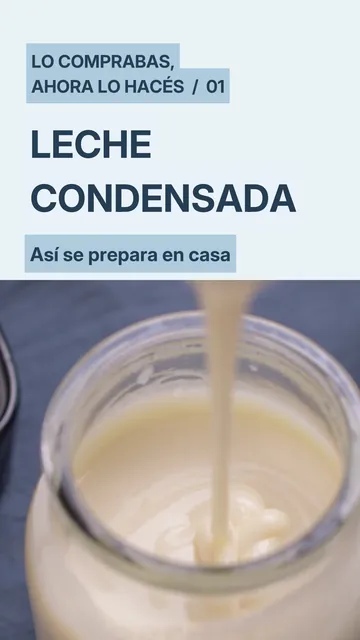
A thick ribbon of homemade sweetened condensed milk pours into a glass jar, with the Spanish title "Leche condensada: así se prepara en casa" (Condensed milk: how to make it at home).
Recipes

How to Make Sweetened Condensed Milk with Powdered Milk

How to make sweetened condensed milk with sugar, water, and powdered milk: why you don't stir the syrup, why it's runny at first, and how to store it in jars.

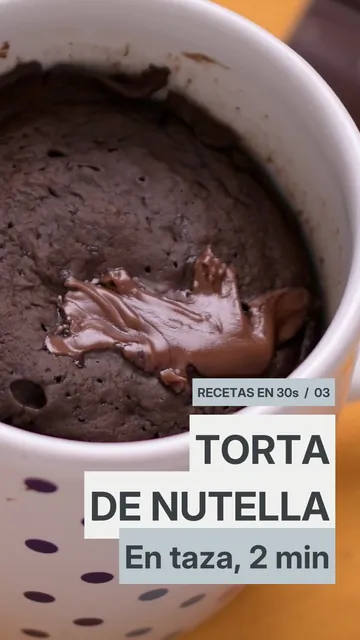
A chocolate cake cooked in a white polka-dot mug with melted Nutella on top, with the Spanish title "Torta de Nutella en taza, 2 min" (Nutella mug cake, 2 min).
Recipes

Nutella Mug Cake: Why It Only Takes 2 Minutes in the Microwave

Why a mug cake cooks in 2 minutes, what makes it rise without eggs, how to mix it without lumps, why the Nutella stays molten, and how to adjust the timing.

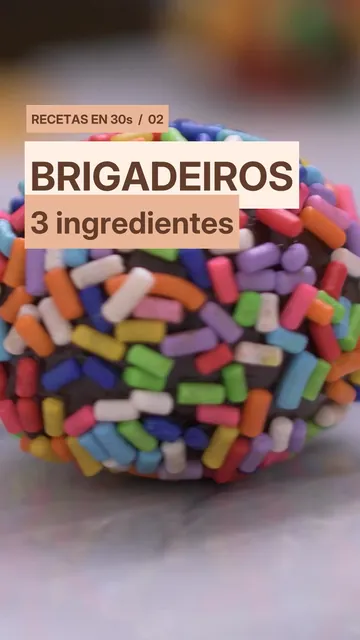
Close-up of a chocolate brigadeiro covered in rainbow sprinkles, with the Spanish title "Brigadeiros: 3 ingredientes" (Brigadeiros: 3 ingredients).
Recipes

How to Tell When Brigadeiros Are Done (So They Don't Turn Rock Hard)

How to tell when brigadeiro is done, what to do if it turns out too hard or too soft, why it needs plastic wrap on the surface, and how to roll neat balls.

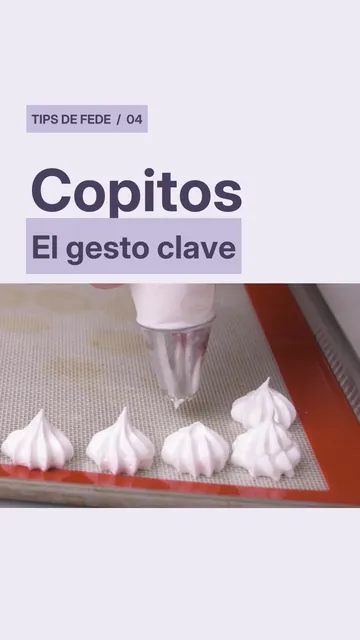
A piping bag with a star tip pipes white meringue kisses onto a silicone baking mat, with the Spanish title "Copitos: el gesto clave" (Meringue kisses: the key move).
Tips

How to Pipe Meringue Kisses That Look Neat Every Time

How to pipe neat meringue kisses: squeeze, stop, then lift. Plus how to fill the piping bag, how stiff the meringue should be, and how to dry them crisp.

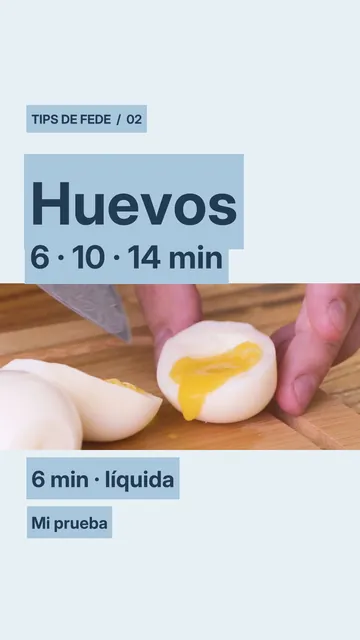
A knife cuts open a 6-minute egg on a wooden board as the runny yolk starts to spill, with the Spanish title "Huevos: 6 · 10 · 14 min" (Eggs: 6, 10, 14 minutes).
Tips

Why Your Boiled Eggs Never Come Out the Same (and How to Fix It)

Why boiled eggs don't match the chart: egg size, fridge-cold vs. room temp, cold or boiling start, and altitude. Plus a simple way to find your doneness.

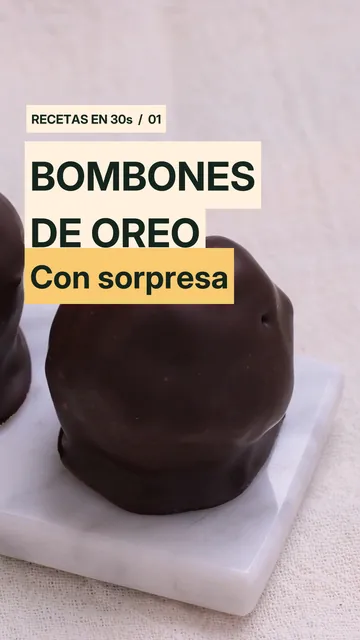
Chocolate-coated Oreo truffles on a white marble board, with the Spanish title "Bombones de Oreo: con sorpresa" (Oreo truffles with a surprise).
Recipes

Oreo Truffles With a Surprise Center: How to Hide the Filling

No-bake Oreo truffles with the filling hidden inside: why you freeze it, the right dough, candy coating vs. chocolate, and how to melt it without trouble.

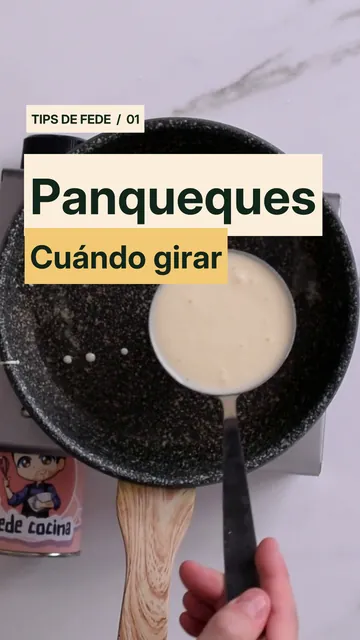
A ladle pouring pancake batter into a black speckled frying pan with a wooden handle, with the Spanish title "Panqueques: cuándo girar" (Pancakes: when to flip).
Tips

When to Flip Pancakes: Watch the Edges, Not the Clock

When to flip pancakes: the edge and bubble signs to look for, why medium heat works best, the mistakes that tear them, and how to keep a batch warm.